Hitoyogiri Lessons, flute for lessons
Hitoyogiri Community Lessons
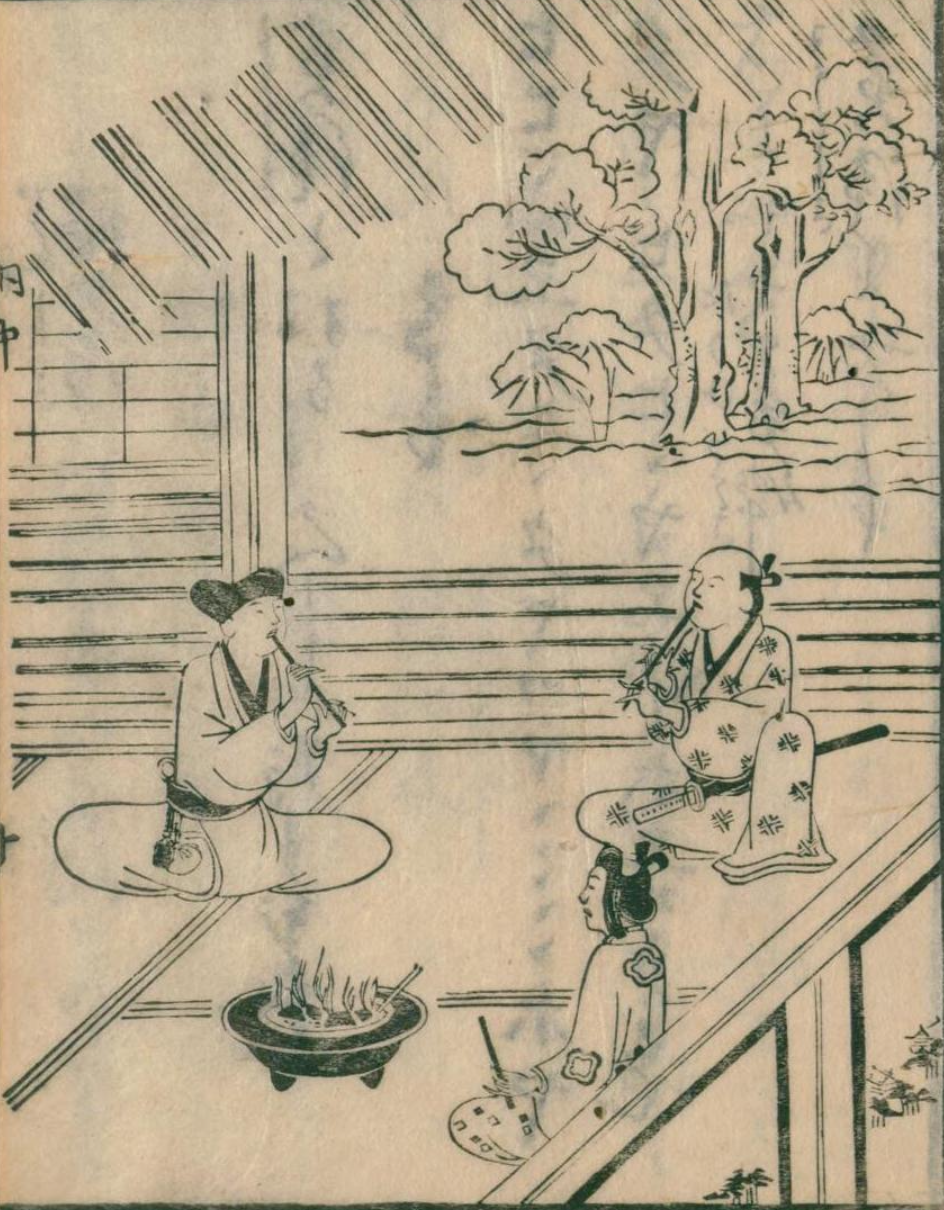
These lessons are the fruit of a decade worth or research, aimed at reviving the ancient poetic and introspective pastime of medieval Japanese monks and samurai. While related to old-style shakuhachi, the hitoyogiri pieces are in some ways simpler, but pay special attention to the ebb and flow of energies both external and internal, playing in different modes that lend a particular feel to each season.
Hitoyogiri lessons are conducted on Discord as live group sessions, all recorded and made available on video for those who prefer to watch on their own time. They are all conducted using a standard Oshiki hitoyogiri (you can order one below). The classical hitoyogiri repertoire dates back at least to the late 1400's, and likely several hundred years before that as well. It is divided into five modes that span the seasons; as such, hitoyogiri courses cover the modes in-season, with two instructional sessions and two practice sessions each month. While working our way through the classical pieces, we also explore adjacent musics from medieval Japan, finding hints here and there to deepen our own personal expression.
Upon signing up, you'll get an email with information on how to join us on Discord. Sessions are held on the first and third Tuesdays at 9:00 am and the second and fourth Mondays at 5:30 pm, Japan time. Discord conveniently displays this in your local time, wherever you may be. Contact me if you have any questions.
If you need a hitoyogiri, you can take a look at what I make here, or you can try the flute below for a less expensive option. These flutes as well are the result of much research into medieval documents as well as actual Edo-era hitoyogiri.
Price: $50 per month (subscription).
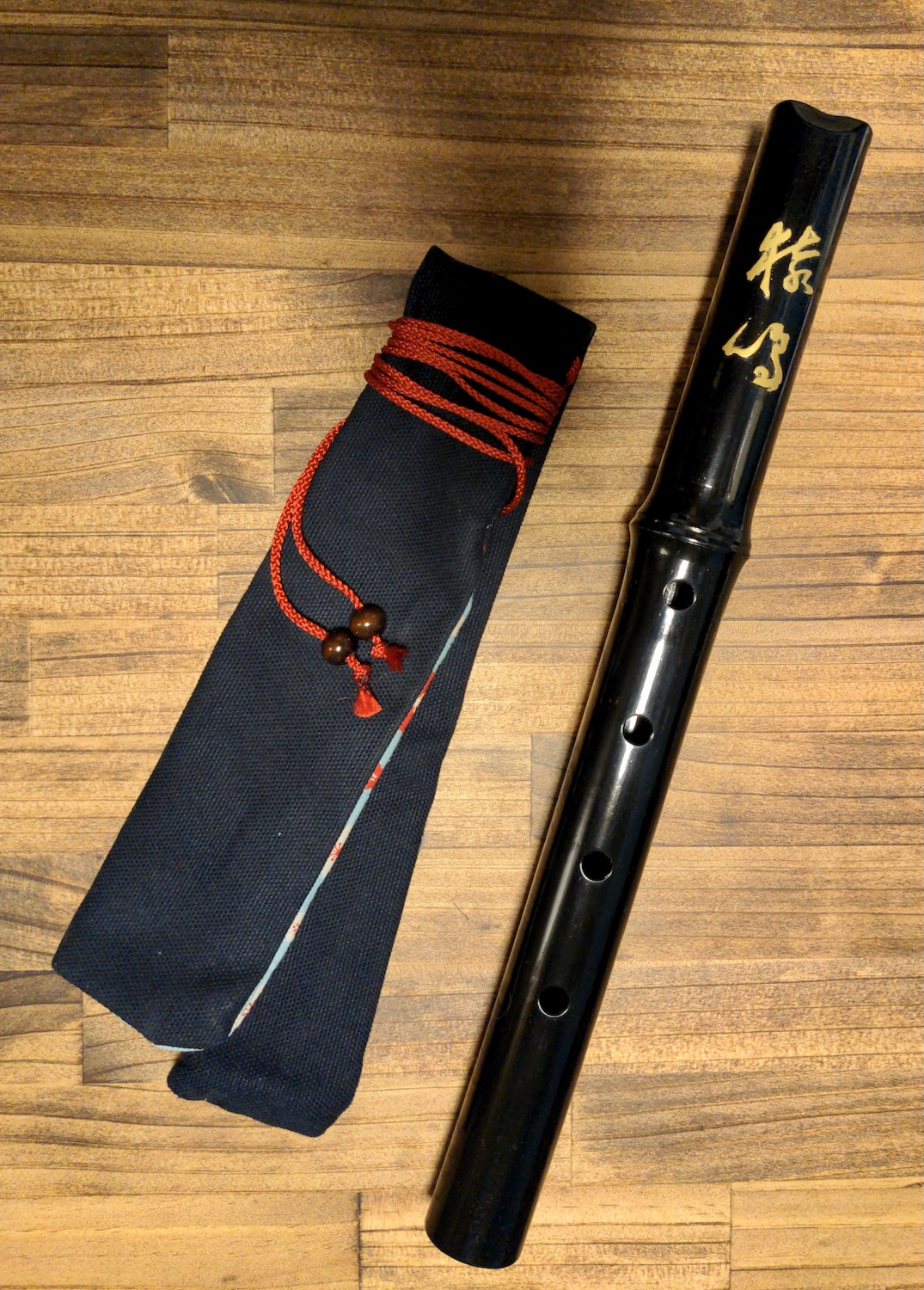
猿鳴 Onmyō - Cry of the Monkey (Resin model)
This is the flute that we use in hitoyogiri lessons. Bamboo flutes can differ in they way they play and respond; this hitoyogiri was designed based on the dimensions and playability of the best historical models, so that everyone participating has an instrument that is able to play all of the classical pieces - not to mention that having the same flute makes it easier to give accurate playing advice. The flute is also designed to be relatively easy to adapt to for those who already play shakuhachi, though this is not a prerequisite for learning.
Each flute is printed using engineering resin that is tough and can withstand high temperatures, so you can bring the flute with you anywhere without worrying about it - if you leave it in a hot car, it won't explode like bamboo would. It is coated with an urushi-like lacquer made from the sap of the cashew tree. (If you have cashew nut allergies, please let me know and I'll use something else on yours.) It is layered on like urushi, then polished and given a pure gold (24kt) maki-e that reads "Onmyo."
"On" is a reading of the character for Monkey; "Myo" is an animal's call or cry. "The cry of the monkey" is a reference to the mythical beginnings of the hitoyogiri. A group of hippies in ancient China had noticed that the ethereal cry of a certain golden monkey had the effect of banishing worldly desires and pointing them toward the truth. They started a mountain-dwelling community, with many leaving their government jobs to join. The governor was upset by this, and had the monkey killed. On the anniversary of its death, they exhumed its body. As the wind hit the humerus bone, it made a sound not unlike the monkey's cry. Someone opened some holes in the bone until the pitch was just right, and thus was born the hitoyogiri (then simply called "shakuhachi") - a flute whose sound is meant not for entertainment, but for elevating your consciousness.
While this may be considered a "student" flute, it is made with care and plays like the best. My friend Shawn Head has even made this his primary hitoyogiri, as he has joined classes and contributed invaluable insight into the broader historical context of the flute.
The price is $475, which includes a bag as well as international shipping. If you sign up for hitoyogiri community lessons together with the flute, the first month is free.
- Materials: Urethane Resin, Cashew lacquer, Urushi (only for the maki-e), Pure gold.
- Price: $475.00 USD
- Price when ordered with lessons: $475.00 (1 month free)